Critical Infrastructure Security: Why Smarter Access Control Matters
For critical infrastructure operators, securing physical access points is often the first and most important layer of defense.
What Is Critical Infrastructure Security?
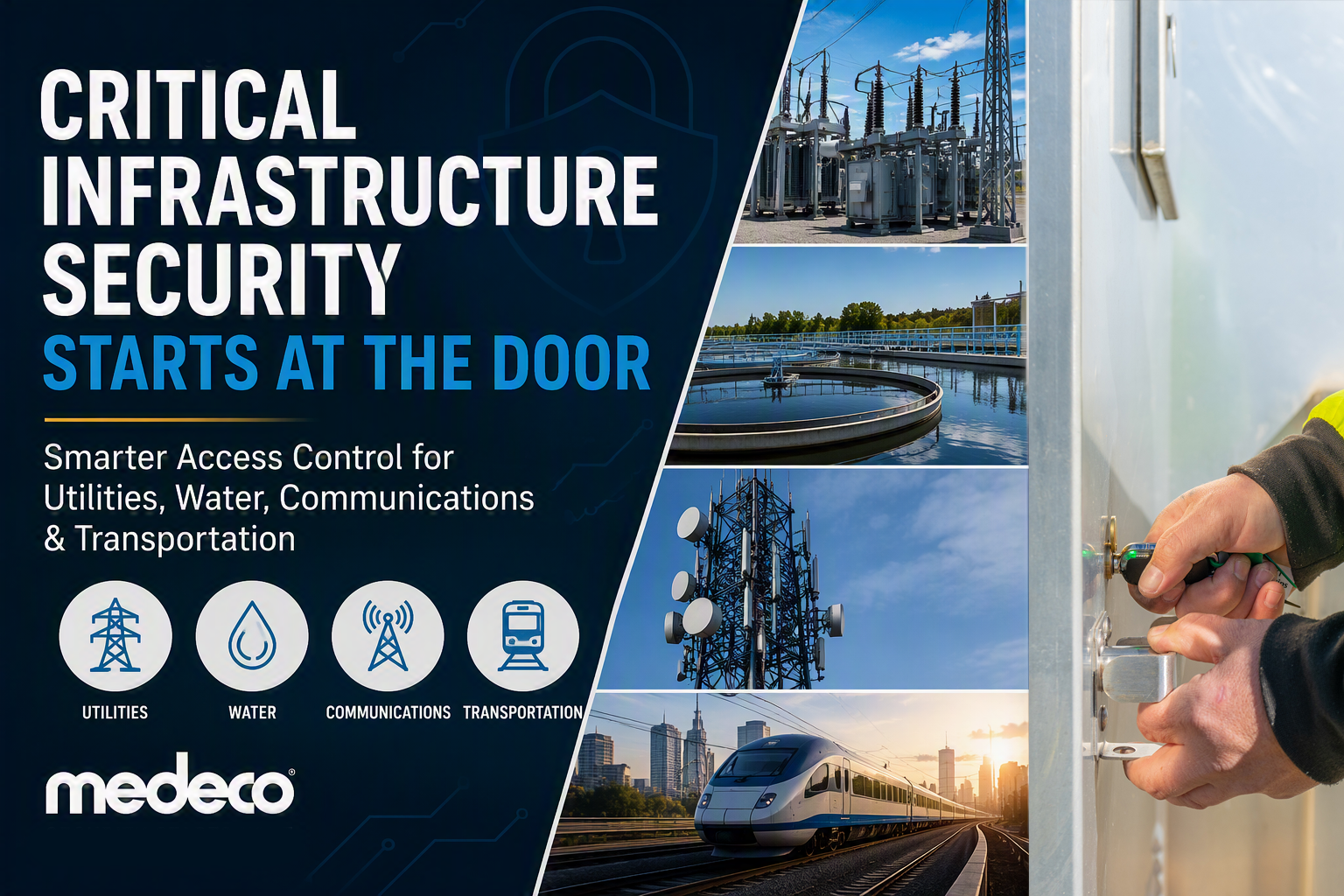
Critical infrastructure security is the practice of protecting essential facilities, systems, and assets that communities depend on every day. These assets include electric utilities, water treatment facilities, telecommunications networks, transportation systems, and other infrastructure that supports public safety, economic activity, and national resilience.
While cybersecurity often receives significant attention, physical security remains one of the most important components of infrastructure protection. Unauthorized physical access to a substation, communications site, pump station, or transportation asset can result in vandalism, theft, service disruptions, operational downtime, and compliance risks.
For critical infrastructure operators, securing physical access points is often the first and most important layer of defense.
Why Is Physical Access Control Important for Critical Infrastructure?
Critical infrastructure facilities must remain accessible to authorized employees, contractors, and service personnel while preventing unauthorized access.
Organizations that manage electric grids, water systems, telecommunications networks, and transportation infrastructure face growing pressure to strengthen physical security programs and comply with industry regulations. However, many facilities continue to rely on traditional mechanical key systems that provide limited accountability, little audit visibility, and few tools for managing access across distributed locations.
As physical security threats evolve, infrastructure operators need access control solutions that provide security, accountability, and operational efficiency.
The Challenge of Securing Distributed Infrastructure
Unlike traditional commercial buildings, critical infrastructure assets are often spread across large geographic regions.
Examples include:
- Electrical substations
- Water treatment plants
- Wastewater facilities
- Communications towers
- Network equipment shelters
- Pump stations
- Traffic signal cabinets
- Rail infrastructure
- Airport support facilities
- Perimeter gates and fencing systems
These sites may be remote, unattended, or visited only periodically by service crews. Managing access across hundreds or even thousands of locations creates unique security challenges.
Common challenges include:
- Controlling access to remote facilities
- Managing employee and contractor credentials
- Responding quickly to lost or stolen keys
- Maintaining audit records and compliance documentation
- Reducing the costs associated with traditional electronic access control systems
- Monitoring access across geographically dispersed infrastructure
What Is an Intelligent Key System?
An intelligent key system combines mechanical locking hardware with electronic access control capabilities.
Unlike traditional keys, intelligent keys can be programmed with specific permissions, schedules, and authorization levels. Security administrators can manage access remotely, track activity, and respond quickly to personnel changes without replacing lock hardware across entire facilities.
For infrastructure operators, intelligent key technology helps bridge the gap between conventional key systems and fully wired electronic access control systems.
How Intelligent Key Systems Improve Critical Infrastructure Security
Modern intelligent key systems provide several advantages over traditional mechanical keys:
Electronic Access Control
Access permissions can be assigned, modified, suspended, or revoked based on operational needs.
Time-Based Authorization
Organizations can restrict access to specific dates and times, ensuring personnel only enter facilities when authorized.
Audit Trails and Accountability
Access events are recorded with date and time information, providing valuable records for investigations, compliance programs, and security reviews.
Remote Credential Management
Administrator-controlled permissions help organizations respond quickly to lost keys, employee departures, contractor changes, or emerging security concerns.
Encrypted Security
Communication between intelligent keys and cylinders is encrypted, helping protect against credential compromise.
Why Are Intelligent Key Systems Valuable for Utilities and Critical Infrastructure?
Utility operators, water authorities, telecommunications providers, and transportation agencies frequently manage facilities that are difficult to secure with traditional electronic access control systems.
Many remote locations lack power, network connectivity, or the budget required for hardwired infrastructure.
Intelligent key systems provide many of the benefits of electronic access control while supporting:
- Remote substations
- Equipment enclosures
- Gates
- Cabinets
- Communications shelters
- Perimeter access points
- Padlocks and outdoor assets
This flexibility makes intelligent key systems particularly effective for distributed infrastructure environments.
How Medeco XT and Medeco CLIQ Support Critical Infrastructure Security
Medeco XT and Medeco CLIQ Intelligent Key Systems help organizations secure critical assets while maintaining operational efficiency.
Key capabilities include:
- Attack-resistant cylinders
- Electronic authorization management
- Scheduled access permissions
- Audit reporting
- Remote credential administration
- Retrofit installation using existing hardware
- Support for remote and unattended facilities
By combining physical security with intelligent access control, infrastructure operators can improve accountability, reduce risk, and simplify access management across large geographic footprints.